Suddenly burning up in meetings?
Waking up drenched at 3am?
Hot flushes are one of the most common symptoms of menopause, affecting around 75% of women during perimenopause and menopause.
The good news is that research shows evidence-based lifestyle changes, nutritional support and mind-body strategiescan significantly reduce both the frequency and severity of hot flushes.
If you’re experiencing menopausal symptoms such as hot flushes, night sweats, poor sleep or sudden temperature changes, there are practical steps that can help restore balance.
What Are Hot Flushes?
Hot flushes are sudden sensations of intense heat, usually felt in the face, neck, chest and upper body. They can last anywhere from 1–5 minutes and are often followed by sweating or chills.
They occur because fluctuating oestrogen levels affect the body’s temperature regulation system. The brain becomes more sensitive to small temperature changes and triggers the body to cool itself through sweating and increased blood flow.
Common symptoms include:
• Sudden heat in the upper body
• Flushed skin or redness
• Sweating or night sweats
• Rapid heartbeat
• Feeling chilled afterwards
While they are completely normal during menopause, they can become disruptive to sleep, work and daily life.
Identify Your Personal Triggers
Many women find that hot flushes are triggered by specific foods, environments or lifestyle factors.
Keeping a two-week symptom diary can help identify patterns.
Note:
• What you ate and drank
• Stress levels that day
• Sleep quality
• Exercise or physical activity
• Temperature or environment
Common hot flush triggers include:
• Caffeine (coffee and strong tea)
• Alcohol, particularly red wine
• Spicy foods
• Large or heavy meals
• Stress or emotional pressure
• Hot rooms or warm environments
• Tight or synthetic clothing
Understanding your personal triggers allows you to make small adjustments that can dramatically reduce symptoms.
Lifestyle Changes That Can Reduce Hot Flushes
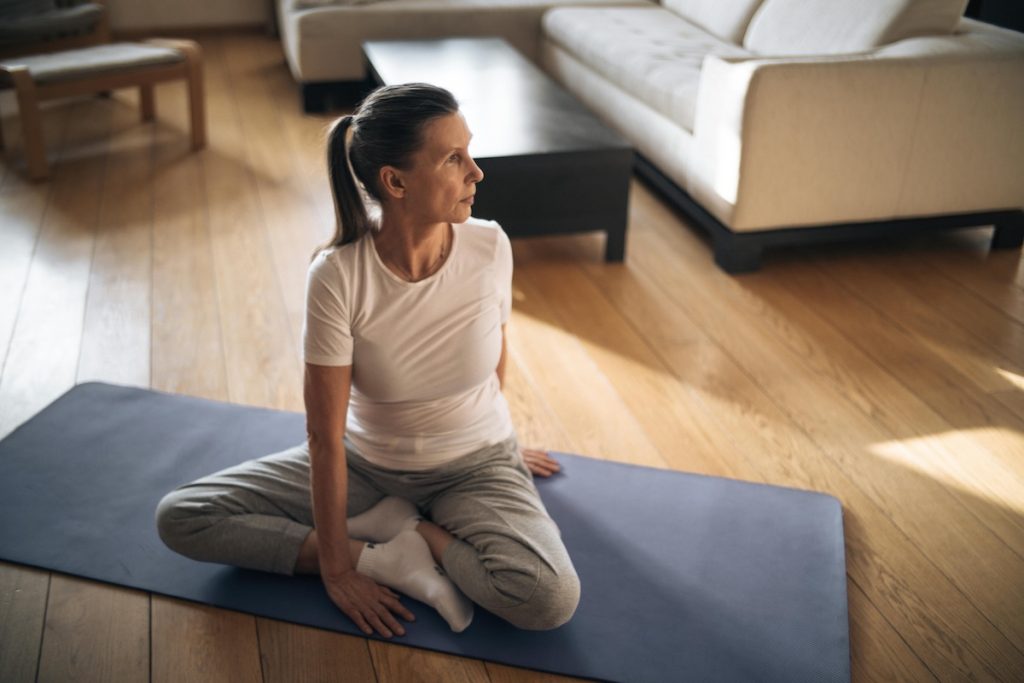
Regular Exercise
Research shows that losing around 10% of body weight can significantly reduce hot flush frequency and severity.
Aim for:
• 150 minutes of moderate activity per week (walking, cycling or swimming)
• Strength or resistance training twice weekly
Exercise also supports:
• better sleep
• improved mood
• reduced anxiety
• hormonal balance
Even a 20-minute daily walk can begin to make a noticeable difference.
Keep Your Body Cool
Simple adjustments to your environment can help prevent or manage a hot flush.
Helpful strategies include:
• Keeping the bedroom between 16–18°C
• Wearing breathable natural fabrics such as cotton or linen
• Dressing in light layers
• Using a handheld fan or cooling spray
• Keeping cold water nearby
Night sweats are particularly common during menopause, so cool bedding and airflow in the bedroom can significantly improve sleep.
Nutrition for Menopause and Hot Flushes
Diet plays a powerful role in hormone balance and symptom management.
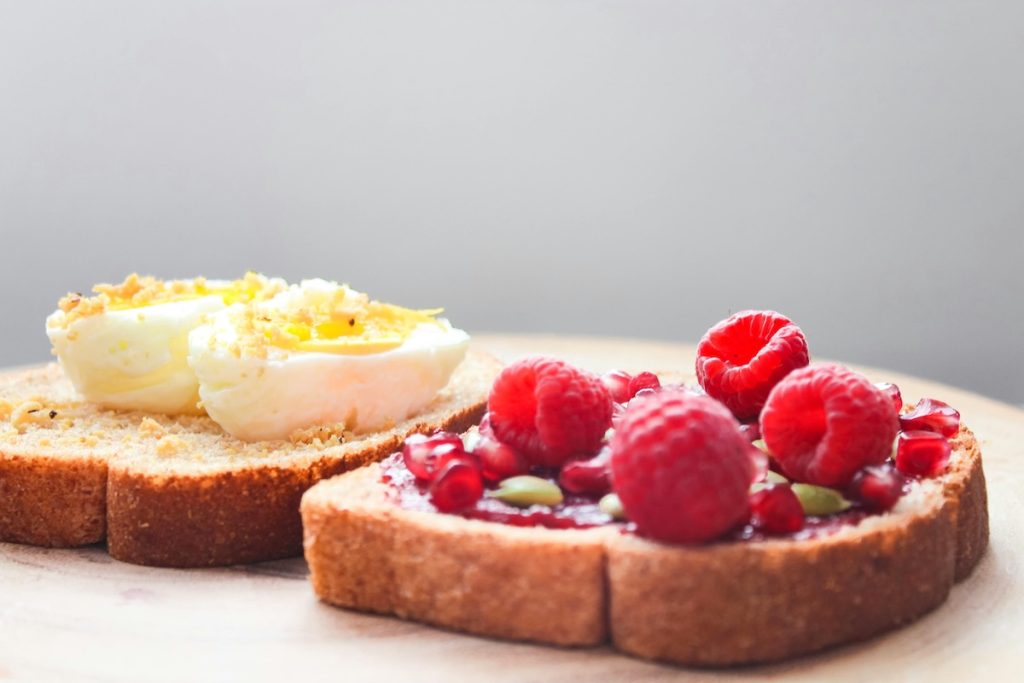
Many menopause specialists recommend a Mediterranean-style diet, which has been linked to reduced hot flush severity and better overall health.
Focus on eating more:
• Fresh vegetables and colourful salads
• Fruits such as berries, melon and pineapple
• Whole grains
• Oily fish such as salmon or mackerel
• Olive oil
• Nuts and seeds
Practical changes that can help include:
• Filling half your plate with vegetables or fruit
• Eating oily fish 2–3 times per week for omega-3 support
• Drinking 6–8 glasses of water daily
• Reducing caffeine after 2pm
• Limiting alcohol intake
• Eating smaller, more frequent meals
These changes help stabilise blood sugar and reduce internal temperature fluctuations.
Mind-Body Strategies That Help
Hormonal changes during menopause can increase stress sensitivity, which in turn can worsen hot flushes.
Mind-body therapies can be extremely effective.
Cognitive Behavioural Therapy (CBT)
CBT is one of the most evidence-based non-medical treatments for menopausal symptoms.
Studies show that 4–6 sessions can significantly reduce the impact of hot flushes and night sweats, while also improving sleep.
In the UK, CBT support may be available through NHS Talking Therapies via self-referral.
Hypnotherapy
Clinical research shows hypnotherapy can reduce hot flush severity by over 69% while also supporting relaxation and better sleep.
Simple Daily Practices
Small daily habits can help regulate the nervous system and reduce symptoms.
Try:
• Paced breathing – slow breathing (6–8 breaths per minute) for 15 minutes twice daily
• Mindfulness or meditation – 10 minutes daily
• Gentle yoga – combining movement, breathing and relaxation
Consistency is key. Even short daily practices can have powerful cumulative effects.
How a Menopause Coach Can Help
Many women find it helpful to work with a qualified menopause practitioner or coach who understands the physical and emotional changes involved.
A menopause coach can help you:
• Identify your specific symptom triggers
• Create a personalised menopause action plan
• Understand treatment options
• Improve sleep and stress management
• Stay accountable to healthy lifestyle changes
Many practitioners offer online consultations as well as in-person support, making expert guidance easily accessible.
When Should You Speak to Your GP?
Lifestyle support can make a significant difference, but medical advice may also be helpful.
You should speak to your GP if:
• Hot flushes are severely affecting sleep or daily life
• You are under 45 and experiencing menopause symptoms
• Symptoms continue after three months of lifestyle changes
• You would like to explore Hormone Replacement Therapy (HRT) or other medical options
A GP can help you explore the full range of treatment choices.
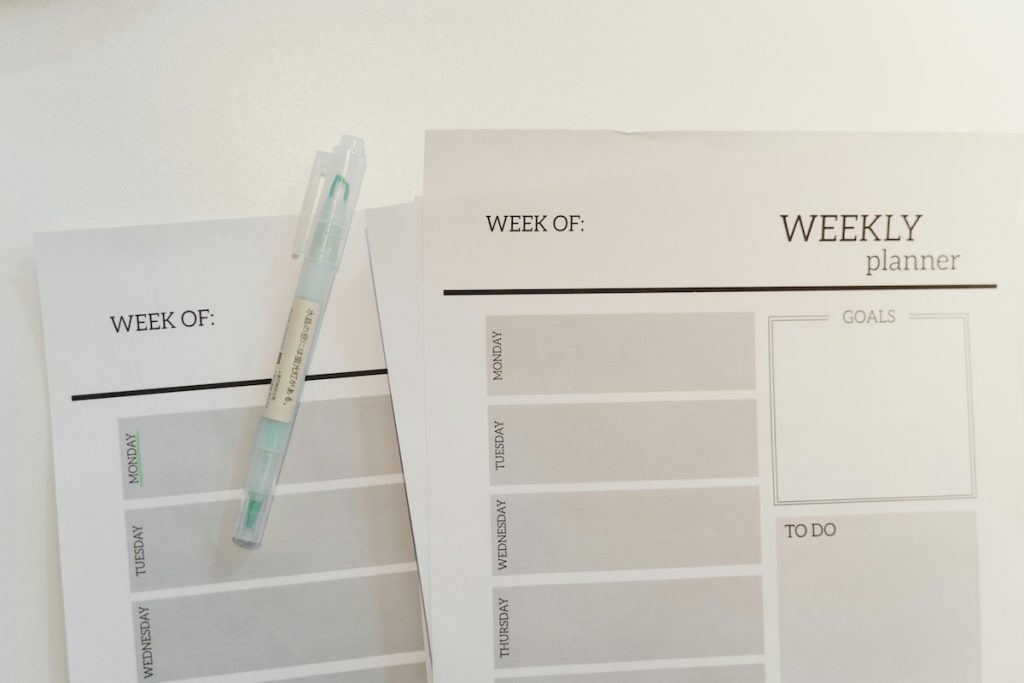
A Simple 7-Day Plan to Get Started
Small, manageable changes can lead to noticeable improvements.
Try this gentle 7-day approach:
Days 1–2
Start a menopause trigger diary.
Day 3
Switch to herbal tea after 2pm.
Day 4
Add a 20-minute walk to your daily routine.
Day 5
Cool your bedroom to 16–18°C and wear breathable layers.
Day 6
Practice 10 minutes of paced breathing.
Day 7
Increase vegetables and fruit in your meals.
Week Two
Consider booking a consultation with a menopause practitioner for personalised guidance.
You Don’t Have to Navigate Menopause Alone
Menopause is a natural life transition, but that doesn’t mean you have to simply tolerate uncomfortable symptoms.
With the right combination of lifestyle changes, nutritional support and expert guidance, many women find their symptoms become far more manageable.
Small, consistent steps can make a real difference to how you feel each day.
Personalised Menopause Support
If you’re navigating menopause symptoms such as hot flushes, sleep disruption or hormonal changes, personalised support can make a significant difference.
Based in Surrey and working with clients both in person and online, I offer a holistic and evidence-informed approach to menopause wellbeing – helping you understand what your body is experiencing and how to support it naturally.
Whether you’re at the start of perimenopause or further along your menopause journey, the aim is always the same: to help you feel balanced, informed and supported through this stage of life.
You can learn more about the support available or book an initial conversation here.